Osiris Reborn: The Ancient Tale of Life Death and Afterlife
The story of Osiris stands as one of the most enduring and profound narratives in human history. As a cornerstone of the Myths of Ancient Egypt, it explores the universal themes of order, betrayal, and the triumph of the spirit over physical decay. Originally revered as a benevolent king who brought agriculture and law to the Nile Valley, Osiris eventually transitioned into the ruler of the Duat, the Egyptian underworld. His journey from a living sovereign to a divine judge reflects the civilization’s deep-seated belief in a moral universe where life does not simply end at the grave, but transforms into something eternal.
The Benevolent King and the Great Betrayal
In the earliest chapters of the legend, Osiris is depicted as a civilizing force. Along with his wife, Isis, he taught the people how to cultivate the land and honor the gods. This era was seen as a golden age of prosperity and Ma’at, the Egyptian concept of truth and balance. However, harmony was shattered by his brother, Set's jealousy. Driven by a desire for the throne, Set crafted a plan to trap Osiris within a golden chest, eventually casting it into the Nile. This act of violence introduced the concept of death into the divine realm, forcing the deities to grapple with loss for the first time.
The Devotion of Isis and the Quest for Restoration
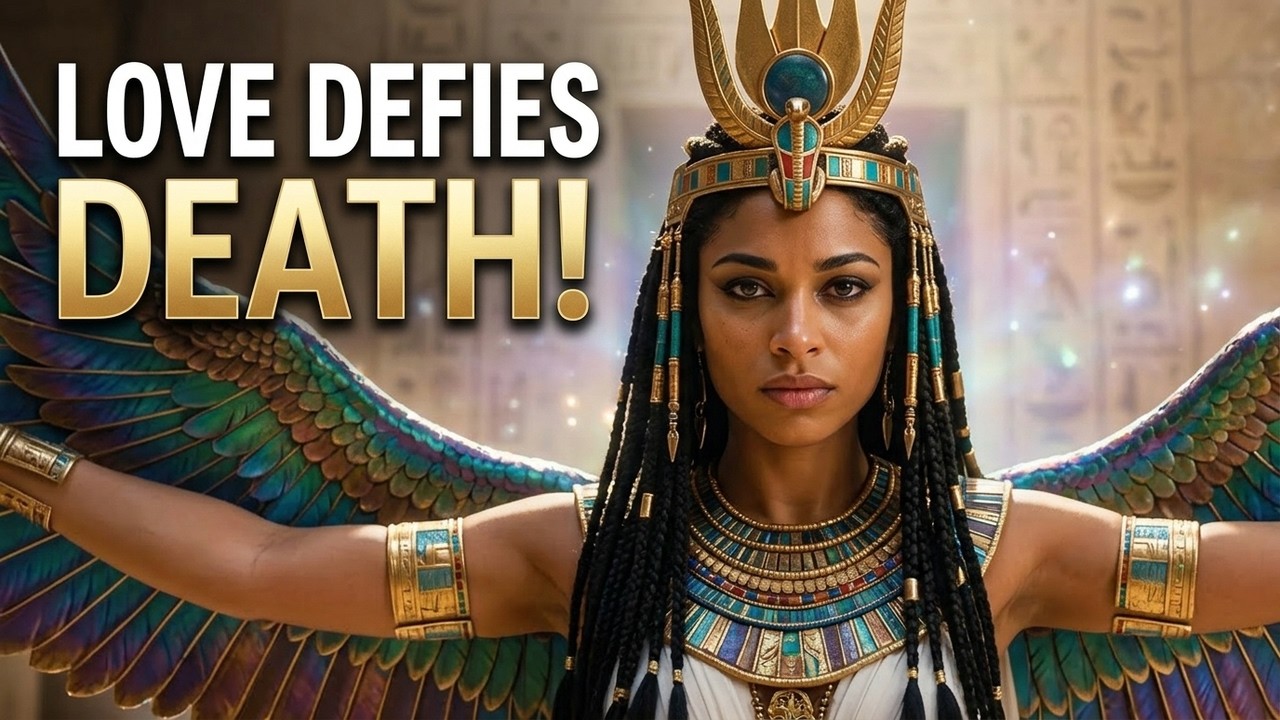
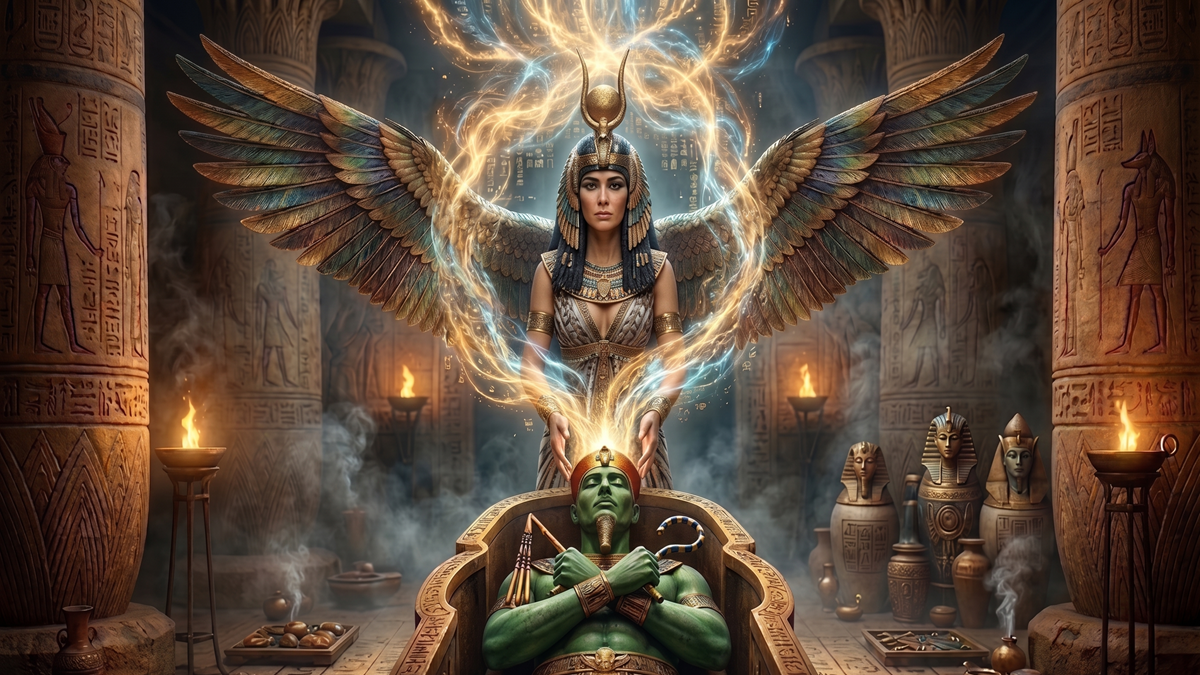
The narrative takes a turn toward resilience through the actions of Isis. Her search for her husband’s remains is a testament to the power of devotion. Even after Set discovered the body and scattered it across the land, Isis did not despair. With the help of Nephthys and Anubis, she gathered the pieces, effectively performing the first act of mummification. This process was not merely about preservation; it was a ritual intended to reclaim the essence of the fallen king. Through this act, the Myths of Ancient Egypt provided a blueprint for funerary practices, suggesting that with the right care and spiritual integrity, the physical body could serve as a vessel for the eternal soul.
The Birth of Horus and the Cycle of Justice
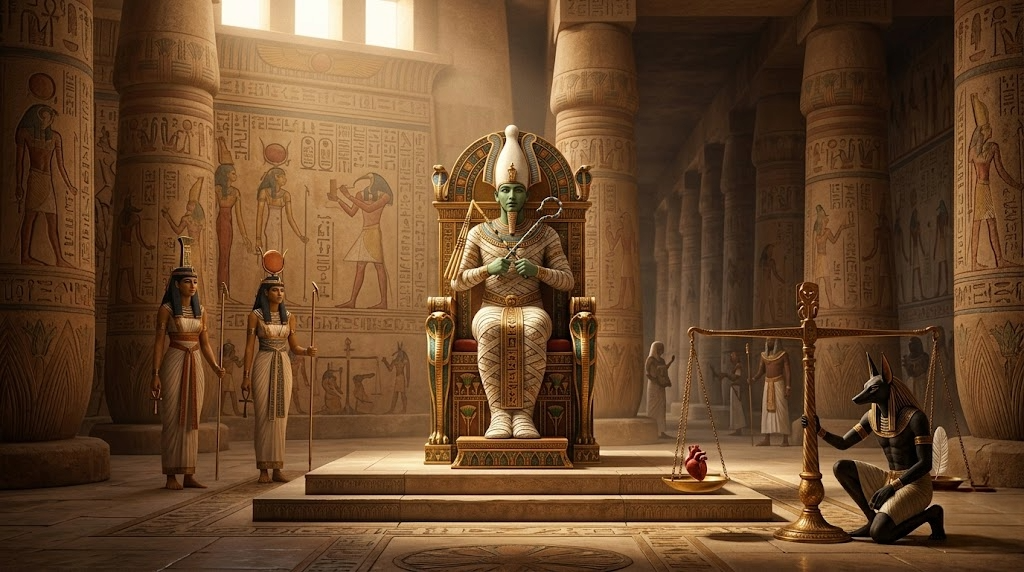
While Osiris remained in the underworld, his legacy continued through his son, Horus. Hidden away in the marshes of the Delta, Horus grew to challenge Set’s chaotic rule. Their conflict was more than a personal vendetta; it was a legal and cosmic battle to restore order to the world. When Horus eventually triumphed, it validated the right of the legitimate heir and brought stability back. This transition allowed Osiris to assume his final role as the Great Judge. In the Hall of Truth, he would oversee the weighing of the heart against the feather of Ma'at, determining who was worthy of entering the Fields of Reeds.
A Legacy of Hope and Eternal Renewal
The enduring appeal of the Osiris myth lies in its promise of renewal. To the ancient Egyptians, the annual flooding of the Nile was a physical manifestation of Osiris returning to life, bringing silt and fertility to the parched earth. He was often depicted with green skin, symbolizing the vegetation that rises from the soil each spring. This cyclical understanding of time ensured that death was never viewed as a finality. Instead, it was a transition point in a much larger journey. By studying these Myths of Ancient Egypt, we gain insight into a culture that viewed the cosmos as a place of constant rebirth, where light eventually follows darkness and justice ultimately prevails.
The Symbolism of the Afterlife in Modern Thought
Today, the story of Osiris remains a vital subject for those interested in mythology and psychology. It represents the "Hero's Journey" in its most primal form—the descent into the abyss and the subsequent rise with newfound wisdom. The myth emphasizes that while physical existence is temporary, the impact of one's character and the strength of communal bonds can transcend time. By balancing the harsh reality of death with the beauty of the afterlife, the legend offers a balanced perspective on the human condition, encouraging a life lived with purpose, integrity, and the hope of a peaceful horizon.